


In today’s world, your digital life is seamlessly woven into the fabric of your daily existence, shaping how you communicate, work, and unwind. Whether you’re checking social media updates, reading articles, or managing transactions on your favorite products from the comfort of your home, technology provides unparalleled convenience.
However, this constant digital engagement can also blur the lines between your online presence and your real-world experiences. Especially in the United States, where digital connectivity is nearly ubiquitous, it’s essential to find ways to maintain a healthy rhythm for your mind and body. Balancing your regular digital interactions with intentional offline moments can make a significant difference.
Developing better habits around your digital use isn’t just about reducing time spent on devices. It’s about enhancing your overall security, well-being, and fostering meaningful connections in a world increasingly shaped by systems and networks that keep you linked to the broader world.
One simple step toward a healthier digital life is keeping your inbox free of clutter. The best way to do that is by avoiding unwanted spam emails that add no value. With Cleanfox, you can easily clean up your inbox and get rid of spam—for free. You can also try adopting healthy email routines that actually work to keep your inbox organized long term.
Recognizing the Signs of Digital Overload
Physical Symptoms and Health Impacts
Spending excessive time on digital devices can significantly affect your physical health. You may experience symptoms such as frequent headaches, dry eyes, and vision problems, all stemming from prolonged screen exposure. Additionally, neck and backaches are common due to poor posture during extended device use, while repetitive motions on keyboards and touchscreens can lead to conditions like carpal tunnel syndrome.
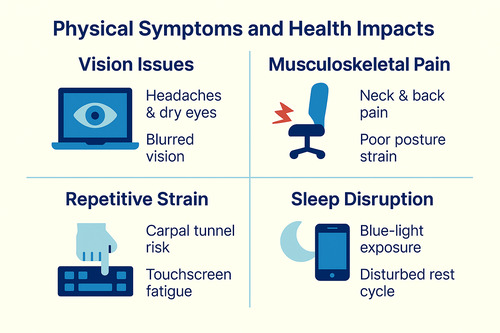
Sleep disturbances are another major concern, often caused by blue-light exposure from screens, which disrupts your natural rest cycle. These physical signs serve as critical indicators that your body is struggling under the weight of your current digital life habits. Recognizing them is the first step toward reevaluating how you interact with technology.
Emotional and Social Consequences
Digital overload doesn’t just affect your body; it can deeply impact your emotional well-being and social connections. Much like digital nutrition, it’s about being mindful of what you consume online as well as how much time you spend.
When your attention is constantly drawn to social media, email, or other online systems, feelings of anxiety, irritability, and mood swings can emerge, especially when attempting to cut back on device use. This emotional strain may even escalate into depression or heightened stress as you struggle to balance your online presence.
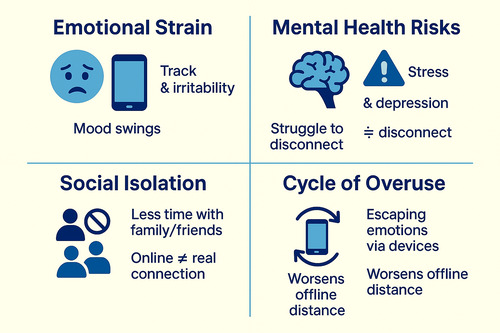
On a social level, digital overload can lead to missing out on meaningful moments with family or friends or feeling isolated despite frequent online interactions. The temptation to escape negative emotions through constant device use can perpetuate this cycle, further distancing you from valuable offline connections and affecting your real-world life.
Understanding these emotional and social warning signs is essential for protecting your mental health and nurturing your relationships.
Setting Boundaries for Digital Usage
Creating a Personalized Digital Schedule
Building a healthier relationship with your digital life begins by designing a personalized digital schedule that aligns with your needs and daily routines. By setting specific blocks of time for engaging with social media, emails, or other online activities, you can regain control over how technology integrates into your day. For instance, dedicating just 30 minutes in the morning and evening for social platforms can help you avoid aimless scrolling and reduce digital fatigue.
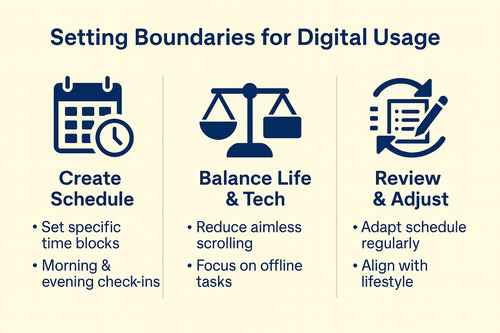
These scheduled intervals allow you to focus more effectively on offline tasks, fostering a better balance between digital engagement and being present in the moment. Regularly reviewing and adjusting this schedule ensures it remains aligned with your evolving priorities and lifestyle. This proactive approach can make a significant difference in your overall well-being.
The Role of Tech-Free Zones
Another impactful strategy for setting boundaries is establishing tech-free zones in your home. By designating areas like the dining room or bedrooms as spaces where digital devices are off-limits, you can encourage meaningful face-to-face interactions and improve the quality of your rest. These zones serve as sanctuaries, offering a break from the constant pull of digital systems and notifications, while promoting mental clarity and better sleep hygiene.
Incorporating tech-free zones not only enhances your physical environment but also communicates to those around you that uninterrupted quality time is a priority. By embracing these spaces in your daily life, you actively safeguard your well-being and nurture healthier social connections both online and offline. This simple yet powerful practice can create a more balanced and fulfilling lifestyle.
Implementing Tools and Techniques to Reduce Screen Time

Say goodbye to spam, clutter, and chaos.
Our smart email cleaner filters out junk, organizes your inbox, and helps you focus on what really matters.
✅ Block spam automatically
✅ Organize emails by priority
✅ Keep your inbox clean
✅ Clean old emails you don’t read
📱 Available on the App Store and Google Play.


Using Technology to Manage Technology
Ironically, one of the most effective ways to curb digital overload is to use technology itself. Many devices and apps now offer integrated tools to help you track and manage your screen time. For example, you can set up digital wellness features built into your phone or tablet that notify you when you’ve reached a preset limit for certain apps or social media platforms.
Parental control systems go a step further, allowing for family-wide management of usage and enabling designated screen-free times. For households in the United States, Wi-Fi management tools can automatically pause internet access during meals, homework, or bedtime, helping everyone stick to boundaries without constant reminders. Leveraging these systems not only fosters healthier habits but also ensures your security and peace of mind, as you’re less likely to be exposed to unnecessary digital distractions. If you want to go a step further and learn how to protect your focus at work, read our guide on how to prevent digital burnout and stay focused at work.
Engaging in Offline Activities
The flip side of limiting digital use is filling your extra time with meaningful offline activities that enrich your life. Consider replacing some of your regular scroll sessions with hobbies that foster creativity, movement, and social connection—whether it’s joining a local sports team, taking up painting, or simply reading a book in a cozy corner of your home.
Articles and studies highlight how activities like cooking, gardening, board games, and outdoor adventures not only reduce dependency on screens but also help you reconnect with the world around you and the people in it. Encouraging these habits in your life can make a significant difference; when you view offline time as an opportunity rather than a restriction, you naturally gravitate towards a more balanced and fulfilling routine.
Conclusion
Achieving a healthy digital life balance starts with recognizing the signs of digital overload and actively setting boundaries for your technology use. By creating personalized digital schedules and designating tech-free zones, you can regain control over your daily routines.
In addition, using tools to manage screen time and engaging in offline activities can help reduce excessive time spent online. Keep in mind that balancing your digital engagement not only enhances your physical and emotional well-being but also strengthens your real-world social connections.
Start taking these steps today to build healthier online habits and create a more fulfilling, secure, and intentional digital experience.
If you’re looking for more ideas, check out these digital healthy habits to improve your focus, sleep, and health.
FAQ
What are some effective strategies for managing digital distractions and staying focused in an always-connected world?
Effective strategies to manage digital distractions include removing devices from your immediate environment, designating tech-free zones or days, using apps that block or limit time on distracting sites, and maintaining clear, motivating goals to stay focused. Experiment with methods to find what works best for you.
How can technology be both a tool and a challenge for achieving work-life balance in the digital age?
Technology acts as a tool by enabling flexible remote work, saving time through automation, and enhancing communication for better work-life balance. Conversely, it challenges balance by blurring boundaries via constant connectivity, causing burnout, stress, and difficulty disconnecting from work outside hours. Managing interruptions and setting boundaries is essential.
What practical steps can I take to set healthy boundaries between my online work and personal life?
To set healthy boundaries between online work and personal life, start by keeping work apps off personal devices or turning off notifications outside work hours. Create a dedicated workspace, establish a clear schedule, take meaningful breaks, and use time off fully. Communicate your limits clearly to colleagues and prioritize activities that recharge you.
How do I recognize the signs of digital burnout, and what can I do to prevent it?
Digital burnout signs include mental fog, exhaustion despite sleep, headaches, eye strain, irritability, sleep issues, and loss of interest in activities. To prevent it, take regular digital breaks, set screen time limits, maintain physical activity, ensure proper sleep, and engage in offline hobbies. Seek professional help if symptoms persist or worsen.