

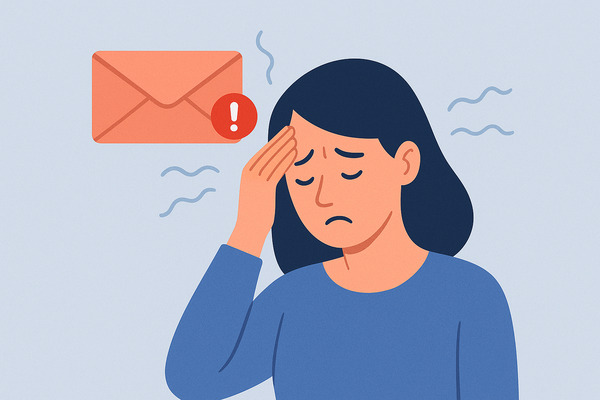
If opening your email inbox leaves you feeling overwhelmed, stressed, or even physically tense, you’re not alone. This sensation, known as email anxiety, is a widespread yet often overlooked form of stress caused by the constant flow of messages demanding your attention.
Email anxiety can have a significant impact on your mental health and work-life balance. It may lead to reluctance in reading or responding to emails, while also draining your energy throughout the day. Common triggers include the pressure to reply quickly, the fear of being misunderstood, or the mounting number of unread emails accumulating in your inbox. These challenges affect both work and personal life.
This article will explore the causes of email anxiety and provide actionable strategies to help you manage emails more effectively, reduce stress, and take back control of your inbox and your time.
One great way to reduce email anxiety is by clearing out spam and unwanted emails — and for that, you can use our Cleanfox platform.
Understanding Email Anxiety
Characteristics of Email Anxiety
Email anxiety can appear as a mix of emotional and physical symptoms triggered by the act of sending, receiving, or simply managing your inbox. Many individuals experience a sense of fear or panic at the thought of opening their emails, often leading to catastrophizing—imagining worst-case scenarios or assuming negative outcomes about the messages awaiting them.
Common physical symptoms include a racing heartbeat, shallow and rapid breathing, sweating, dizziness, nausea, and a general sense of physical discomfort. Emotionally, people may feel restless, struggle to focus, or notice heightened tension when thinking about emails or while reading and responding to them.
These reactions can create a cycle of avoidance, where the fear of handling work emails or social messages intensifies. This often results in a growing number of unread emails, which further exacerbates the anxiety.
Psychological Impact on Well-being
Email anxiety goes beyond impacting daily productivity; it can deeply affect your overall mental health and emotional well-being. The constant anticipation of incoming messages can lead to “anticipatory stress,” a state where anxiety builds even before you check your inbox. This ongoing tension often leads to emotional exhaustion, making it difficult to disconnect from work and enjoy personal time.
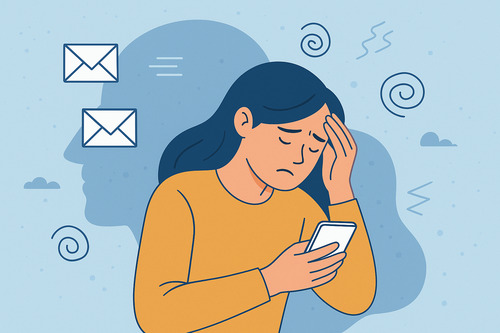
Consequently, your work-life balance may suffer, as evenings and weekends become disrupted by compulsive email-checking and persistent worry. This blurred boundary between work and personal life can contribute to burnout, leaving you unable to recover mentally and physically.
Another significant stressor is the fear of miscommunication. Without non-verbal cues, there’s a heightened anxiety about how your messages are perceived or whether they might be misunderstood. For individuals with social or generalized anxiety disorders, email communication can become an added source of pressure and worry.
Factors Contributing to Email Anxiety
Volume and Frequency of Emails
One of the main drivers of email anxiety is the sheer volume and constant frequency of incoming emails. Many individuals check their inboxes around 15 times a day, spending 15 to 25 minutes each time. This can add up to nearly half of a standard working day being dedicated solely to email management.
The accumulation of hundreds of unread emails and continuous messages creates a significant burden. It becomes challenging to prioritize or even locate important communications. This flooding of your inbox often leads to feelings of overwhelm and stress, turning the task of reading and replying into a chore rather than a manageable daily routine.
Expectation of Immediate Responses
Modern communication culture, heavily influenced by the rapid pace of social media and instant messaging, has fostered an unrealistic expectation for immediate email replies. The pressure to reply quickly can be especially stressful when dealing with an important work email or when you’re uncertain about how to respond.
The anxiety of waiting for a reply, or the fear of being judged for not responding fast enough, creates a state of constant tension. Additionally, mismatched workplace expectations about when and how emails should be managed can intensify the anxiety caused by these interactions.
Content Anxiety
Another key factor is content anxiety: the worry about how your words will be perceived or the pressure to articulate your message perfectly. Concerns about judgment, misunderstandings, or causing offense can lead to procrastination when composing emails. The need to maintain an ideal image through flawless email etiquette can add to the pressure.
This stress is even greater when emails involve sensitive topics, criticism, or high-stakes situations, leading to anxiety opening emails or sending them. Perfectionism or negative past experiences with email exchanges often exacerbate this issue, making it harder to overcome email-related worries.
Strategies to Overcome Email Anxiety

Say goodbye to spam, clutter, and chaos.
Our smart email cleaner filters out junk, organizes your inbox, and helps you focus on what really matters.
✅ Block spam automatically
✅ Organize emails by priority
✅ Keep your inbox clean
✅ Clean old emails you don’t read
📱 Available on the App Store and Google Play.


Setting Boundaries and Creating a Schedule
One of the most effective ways to combat email anxiety is to draw clear boundaries around when and how often you check your inbox. Instead of constantly monitoring email throughout the day, you can schedule checking emails at specific times, such as twice or three times a day.
This practice, often called “time blocking” or “task batching”, helps reduce the feeling of constant pressure and frees up mental space for other tasks. Logging out of your email account after work hours or turning off email notifications on devices can further protect your work-life balance and decrease stress caused by the fear of new or unread messages piling up.
Prioritization and Organization
Managing and organizing your inbox plays a big role in reducing email anxiety. Using tools or apps that help sort emails by priority can make it easier to focus on the most important messages first, preventing overwhelm from a cluttered inbox.
Creating customized email templates for common types of replies can save time and reduce the stress of crafting perfect responses. Clearing out unnecessary emails regularly and grouping messages into folders or labels also improves clarity.
These organization strategies can decrease the perception of endless unread emails and increase your confidence in managing work email effectively.
Mindset and Behavioral Changes
Changing how you mentally approach emails can ease the anxiety they cause. Practicing mindfulness before opening or responding to emails—such as taking deep breaths to calm your physiological stress response—can help you feel centered and less overwhelmed.
It’s important to be realistic about email response times and forgive yourself for not replying immediately; understanding that delayed responses are normal can reduce pressure. Avoid sending emails when feeling panicked or rushed; instead, take time to draft, pause, then review before sending.
If an email makes you anxious, consider drafting a reply and revisiting it later or asking a colleague to review it. Ultimately, reminding yourself that you are in control of your inbox, not the other way around, can foster a healthier relationship with email and protect your mental and physical health.
Conclusion 📝
Email anxiety is a real and common challenge that impacts many people’s mental health and productivity. To overcome it, focus on understanding your triggers, setting clear boundaries, and adopting practical strategies such as scheduling dedicated times to check emails and prioritizing messages effectively. Remember, perfection isn’t necessary—aim for clarity and manageable responses rather than striving for instant replies.
By shifting your mindset and viewing emails as simple conversations, you can reduce stress and regain control of your inbox and your time. Start with small, actionable steps today to implement these strategies, and you’ll begin to ease email anxiety while enhancing your overall well-being.
FAQ🧐
What are the common causes of email anxiety and how can I recognize if I am experiencing it?
Email anxiety often stems from a fear of judgment, perfectionism, or feeling overwhelmed by the sheer volume of emails and response expectations. Signs of email anxiety include procrastination, excessive worry about tone or interpretation, stress over unread or unanswered messages, and even physical symptoms like tension or fear when managing emails. A high emotional involvement in work can also play a significant role.
How can perfectionism and fear of judgment contribute to email anxiety?
Perfectionism and fear of judgment intensify email anxiety by pushing individuals to strive for flawlessness and avoid criticism at all costs. This leads to immense pressure to craft the “perfect” email, resulting in overthinking, fear of negative feedback, and dread of failure. The constant anticipation of judgment creates a vicious cycle, increasing anxiety and often leading to procrastination or avoidance of email-related tasks.
What practical strategies can help me manage and overcome email anxiety in daily life?
To manage email anxiety, start by setting realistic response time expectations and creating clear boundaries around when and how often you check emails. Prioritize messages based on their importance and urgency. Incorporate mindfulness techniques, like deep-breathing exercises, before responding to help calm your nerves.
Using email templates and scheduling specific times for handling emails can reduce feelings of overwhelm. Don’t forget to take regular breaks and seek support from colleagues or friends when needed. These strategies can make a significant difference in reducing anxiety.
When should I consider seeking professional help for email anxiety symptoms?
If email anxiety starts to disrupt your daily life, it may be time to seek professional help. Symptoms such as racing thoughts, increased heart rate, dizziness, or avoidance behaviors are signs that intervention could be beneficial. If anxiety is impairing your focus, work performance, or overall well-being, consulting a mental health professional specializing in anxiety can provide effective coping strategies and symptom management.
I hope you enjoyed this article. If you did, feel free to explore our blog for more tips on healthy digital habits.