

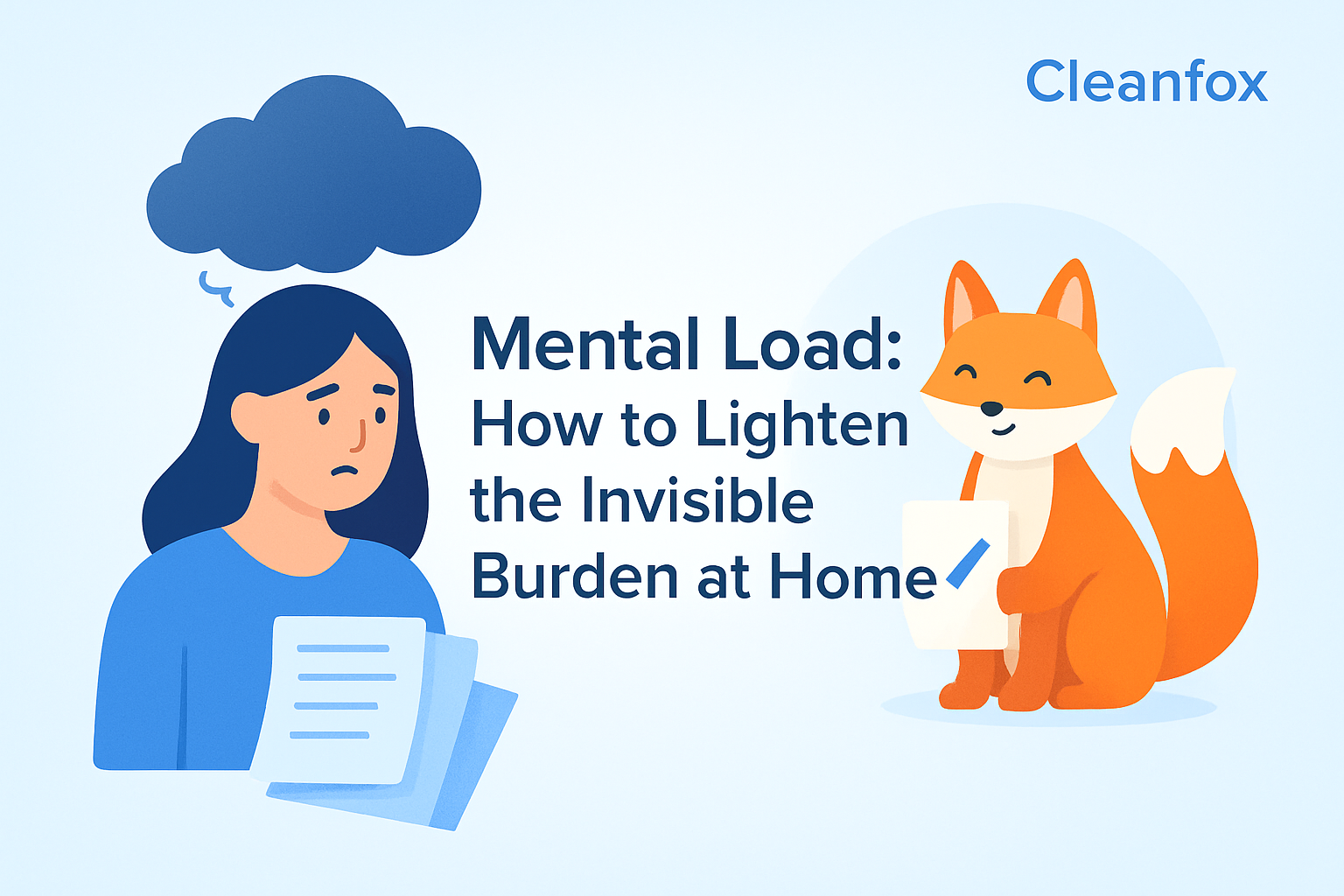
Do you ever feel like your brain never shuts down? You try to relax, but thoughts about groceries, appointments, or even unread emails keep popping up. This is the mental load in action—the invisible work of planning, remembering, and worrying about daily life. Left unchecked, mental load can drain your energy and leave you stressed. Let’s dig into what it is, why it piles up, and how you can lighten the burden.
How to Reduce Mental Load at Home
Reducing mental load at home often starts with simple changes. First, write down tasks to get them out of your head and onto paper. Next, create clear routines for chores and responsibilities, and share them with others in your household. This helps prevent the same person from remembering everything. For example, a shared calendar or family app can keep schedules transparent for everyone. Using helpful tools like Cleanfox to clean your digital clutter also makes a difference, freeing up mental space. Remember, open communication is key—talk about expectations and priorities with those you live with.
- Write lists to track tasks
- Use shared calendars for schedules
- Set up a family meeting once a week
- If a task is digital, automate or delegate when possible
Mental Load in Households Effects
The effects of mental load in households often go unnoticed, but they shape daily life. Too often, one person is quietly juggling reminders, birthdays, and laundry schedules. This invisible work can cause stress, resentment, and burnout. Over time, it affects energy, patience, and even how often people argue about chores. It’s not just about doing tasks—it’s the stress of remembering, planning, and worrying so nothing gets missed. Understanding these effects is the first step to making lasting changes at home.
Signs of Mental Load Burnout
Mental load burnout can feel like you’re always one step behind, even if nothing looks out of control. You may be irritable, forgetful, or notice trouble sleeping. Sometimes you start dreading simple things, like planning dinner or checking your inbox. If you often feel overwhelmed by small details, it’s a red flag. Learning to spot these signs early can help you recover before burnout takes hold.
- Increased irritability or frustration
- Frequent forgetfulness
- Trouble concentrating or sleeping
- Feeling exhausted despite resting
Tasks That Contribute to Mental Load
Many tasks boost your mental load without you realizing it at first. It’s not just cleaning or making meals. It’s remembering birthdays, scheduling appointments, tracking school forms, and organizing digital files. Managing endless email notifications is another silent weight. For help on tackling electronic mess, check out these tips to declutter your online life. Reducing invisible work, like constantly monitoring household needs, is just as vital as dividing chores.
- Coordinating family schedules
- Managing email subscriptions
- Remembering upcoming bills or events
- Planning meals and grocery lists
- Monitoring cleanliness and supplies
Mental Load and Time Management Strategies
Managing mental load also means managing your time better. Prioritize your to-dos—urgent and important first, the less pressing tasks later. Use simple time blocks or set timers to stay focused. Declutter both your home and your digital life, as clutter increases cognitive load in daily life. Tools that automate or batch similar tasks help, too. If you’re buried in unread emails, learn how proper email hygiene can make a difference. The goal is to do less at once, for a lighter head and better focus.
How to Divide Mental Load Fairly in Relationships
The key to fairly dividing mental load in relationships is clear communication and shared responsibility. First, talk openly about who currently keeps track of which details—often it’s more than you realize. Make invisible work visible by listing all ongoing tasks, big and small. Agree to take turns remembering or managing pieces of the puzzle. Set up a habit of reviewing the division regularly; needs change. Remember, fairness isn’t just about splitting tasks—it’s about sharing the work of worrying, too.
- Make all tasks visible with a master list
- Assign both physical and mental duties
- Revisit and re-balance as life changes
- Use reminders and shared apps for accountability
For help improving digital workflows, you might want to try Cleanfox app and remove low-value tasks from your plate.
FAQ
How does mental load affect relationships?
Mental load can strain relationships by creating imbalance and resentment. If one partner carries most of the planning and remembering, it leaves little energy for fun or quality time. This imbalance can lead to arguments, frustration, and a lack of appreciation between partners.
What is mental load in the family setting?
Mental load in a family means keeping track of all the details that keep a household running smoothly. This includes scheduling, maintaining routines, planning meals, and remembering tasks, all while anticipating everyone’s needs behind the scenes.
Why is mental load hard to share?
Mental load is hard to share because much of it is invisible. People often don’t notice or value the work of remembering, planning, and organizing, so it goes unspoken and unacknowledged. This makes it tricky to recognize and divide evenly.
When does mental load become overwhelming?
Mental load becomes overwhelming when the number of tasks and details exceeds your mental capacity. When you feel unable to relax, forget things often, or always sense there’s more to remember, that’s a sign the load is too heavy.
Where does mental load come from in households?
Mental load comes from daily responsibilities like scheduling, emotional labor in relationships, and invisible work in the home. It builds up as household, personal, and digital demands pile on, often without a clear system to share or organize them.
How can I explain mental load in simple terms?
Mental load is like running a never-ending to-do list in your head. It’s the mental effort of tracking everything that needs doing, organizing, remembering, and ensuring nothing gets forgotten, even if you’re not the one physically doing every task.
What is mental load in couples?
In couples, mental load means one or both partners are always thinking about what needs to be done for the home or family. It goes beyond chores and includes remembering birthdays, errands, and managing the emotional needs of everyone.
How do we talk about mental load at home?
Start a calm conversation about what tasks take up most of your headspace. List out all ongoing responsibilities and ask everyone to share what they notice. Discuss ways to divide both the physical chores and the mental tasks involved in daily living.
Why is mental load so exhausting?
Mental load is so exhausting because it requires constant attention. It never stops running in the background, making it harder to relax or recharge. Even small tasks add up and drain your energy over time, leading to fatigue and even burnout.
Conclusion
Mental load is the hidden work behind every organized household—and it can be overwhelming. By making tasks visible, dividing responsibilities, and supporting each other, you lighten the load for everyone. Remember, a tidy digital life helps too—small steps like better email management or using digital tools matter. If you need more tips on clearing digital clutter, check out this guide to healthy email routines. Lighten your mental load and reclaim more time, focus, and calm in your day.

